
 The Banerji Protocols
 Emergency Kit
 Help
Help Blogs
Blogs
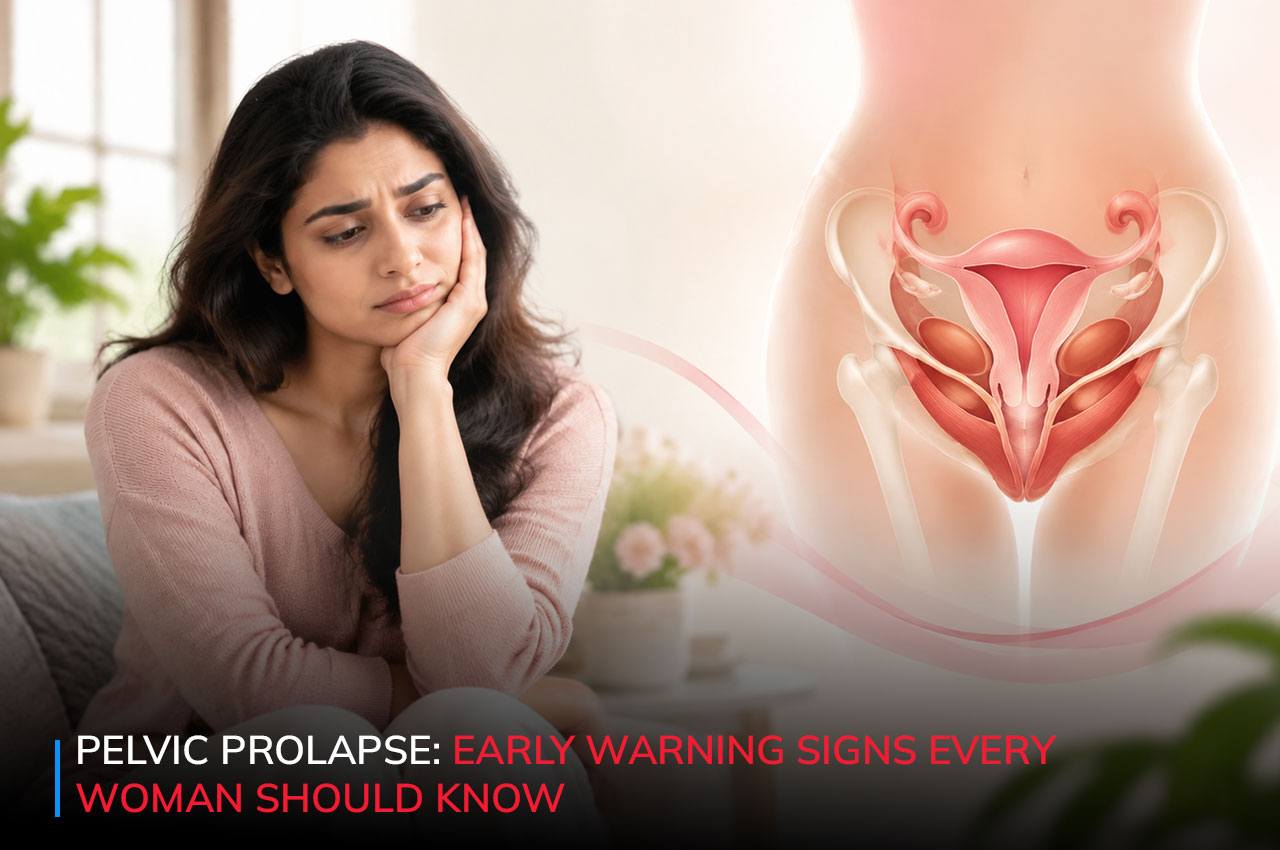
Pelvic health is an important aspect of a woman’s overall well-being, yet pelvic health concerns often go unreported or unrecognised. One such condition is pelvic organ prolapse (POP), which occurs when the muscles and connective tissues supporting the pelvic organs become weakened or stretched, allowing one or more organs to descend from their normal position.
The pelvic floor supports organs including the bladder, uterus, rectum, and vaginal tissues. When this support weakens, one or more pelvic organs may descend and create a bulge or pressure within the vagina. Symptoms can vary considerably. Some women may experience mild pelvic pressure or heaviness, while others may notice a vaginal bulge or experience difficulties with bladder or bowel function.
Understanding the early warning signs, possible causes, and available management options can help women recognise the condition and seek appropriate medical evaluation. Dr. P. Banerji Homoeopathy Research Clinic (PBHRC), Elgin Road, follows an individualised homoeopathic approach to women’s health concerns, taking into consideration each patient’s symptoms, medical history, and overall health.
Symptoms of pelvic organ prolapse can vary depending on the organ involved and the severity of the condition. Some women may experience only mild discomfort, while in others, the symptoms may interfere with everyday activities.
Common signs and symptoms can include:
Symptoms may become more noticeable after prolonged standing, physical activity, or lifting. A vaginal bulge, persistent pelvic pressure, or changes in bladder or bowel function should not be ignored and warrant appropriate medical evaluation.
Pelvic organ prolapse develops when the muscles, ligaments, and connective tissues that support the pelvic organs become weakened or stretched. When these supporting structures can no longer provide adequate support, one or more pelvic organs may gradually descend.
Pregnancy and childbirth are recognised risk factors for pelvic organ prolapse. Pregnancy places additional pressure on the pelvic floor, while vaginal childbirth can stretch or weaken the supporting tissues. The risk may increase with multiple pregnancies, prolonged or difficult labour, and repeated vaginal deliveries.
However, pelvic organ prolapse can also develop due to factors unrelated to pregnancy or childbirth. Several factors can contribute to weakening of the pelvic floor over time, including:
Many of these factors can place repeated strain on the pelvic floor or affect the strength of the tissues supporting the pelvic organs. Understanding an individual woman’s symptoms and risk factors is therefore important when considering appropriate management.
Yes. Although pregnancy and childbirth are significant risk factors, women who have never been pregnant or given birth can also develop pelvic organ prolapse.
Ageing, chronic constipation, persistent coughing, repeated heavy lifting, excess body weight, previous pelvic surgery, and weakening of the pelvic floor tissues can contribute to the condition. Some women may also have naturally weaker connective tissues, which can increase their susceptibility to pelvic organ prolapse.
Hormonal changes associated with menopause can also affect the tissues that support the pelvic organs.
Women should therefore not dismiss possible symptoms simply because they have never experienced pregnancy or childbirth. Persistent pelvic pressure, bladder or bowel difficulties, or a vaginal bulge should be evaluated by an appropriate healthcare professional.
It is advisable to seek medical evaluation if you notice a bulge or lump in or around the vagina, persistent pelvic heaviness or pressure, difficulty emptying your bladder, urinary leakage, persistent constipation, or other changes in bladder or bowel function.
An appropriate clinical assessment can help determine whether pelvic organ prolapse is present, identify the type and severity of the prolapse, and guide suitable management.
Early evaluation is particularly important when symptoms begin interfering with everyday activities or quality of life.
At PBHRC, the homoeopathic approach is individualised according to the patient’s symptoms, medical history, age, lifestyle, and overall health. Rather than focusing solely on the name of the condition, the approach considers the individual patient and her overall symptom profile.
Homoeopathy may be considered as a complementary approach to supporting overall well-being. However, pelvic organ prolapse is a structural condition, and homoeopathic care should not replace appropriate gynaecological evaluation or established medical management when required.
Women experiencing persistent pelvic pressure, a vaginal bulge, urinary difficulties, bowel problems, or other symptoms suggestive of pelvic organ prolapse should seek appropriate medical assessment to understand the type and severity of the condition and discuss suitable management options.
Recognising the symptoms of pelvic organ prolapse can help women seek appropriate evaluation and take informed steps towards maintaining their pelvic health. Although pregnancy and childbirth are important risk factors, pelvic organ prolapse can also occur due to ageing, chronic constipation, persistent coughing, repeated heavy lifting, excess body weight, previous pelvic surgery, and other factors that affect pelvic floor support.
Symptoms and severity can vary considerably from one woman to another. Appropriate medical evaluation is therefore important for understanding the condition and determining suitable management.
PBHRC follows an individualised homoeopathic approach based on the patient’s symptoms, medical history, lifestyle, and overall health. Where necessary, such care should complement rather than replace appropriate gynaecological evaluation and established treatment for pelvic organ prolapse.
Answer: Yes, if left untreated it may gradually progress, especially when risk factors such as chronic constipation, heavy lifting, or persistent coughing continue.
Answer: Appropriate pelvic floor exercises may support pelvic muscles, but the right exercises should be discussed with a qualified healthcare professional.
Answer: PBHRC follows an individualised homoeopathy treatment approach based on the patient’s symptoms, medical history, and overall health.
Answer: Depending on its severity, it may cause discomfort or pressure during walking, standing, exercising or lifting.
Answer: Excess body weight can increase pressure on the pelvic floor and may contribute to the risk or progression of the disease.
Answer: Recurrence can occur depending on the severity, underlying causes, and individual risk factors, making continued pelvic health care important.