
 The Banerji Protocols
 Emergency Kit
 Help
 Blogs

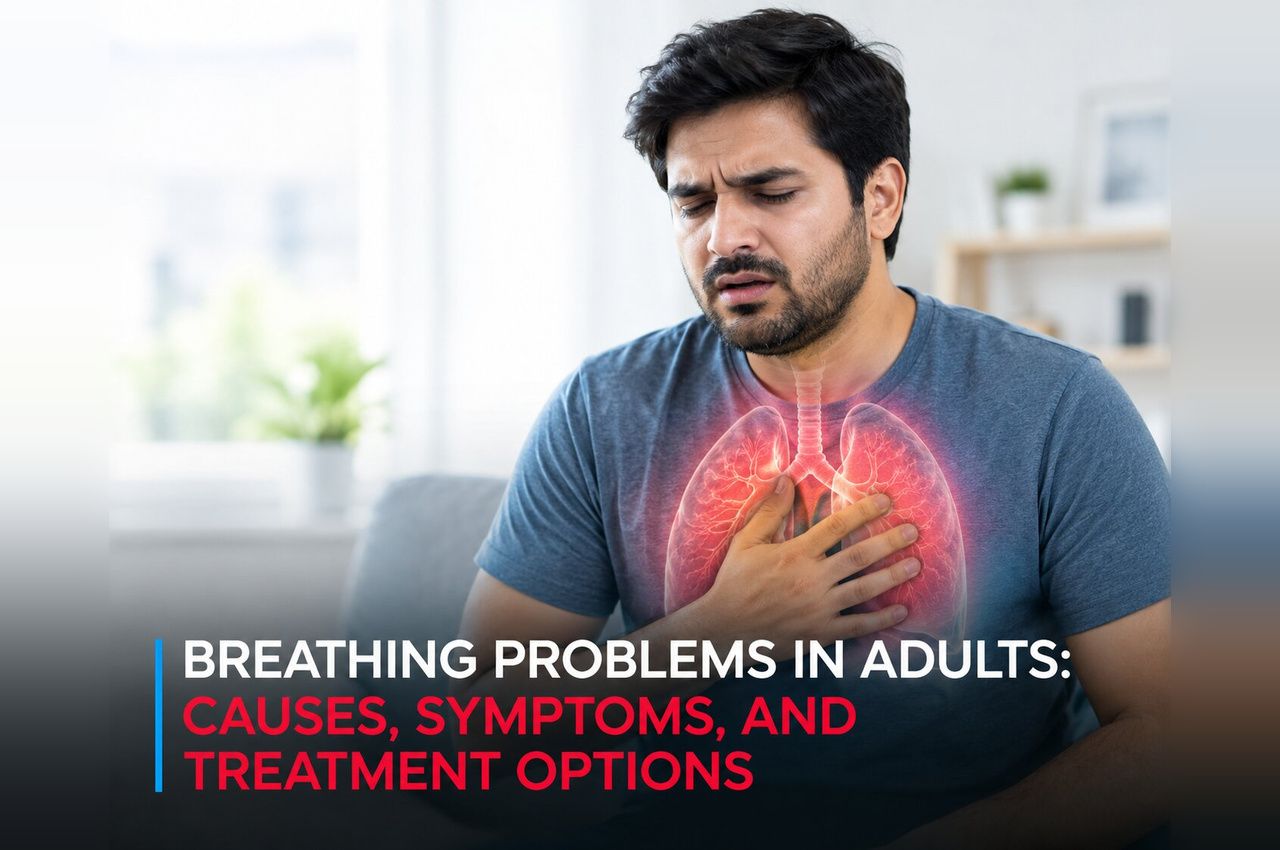
Breathing supplies the body with oxygen and helps remove carbon dioxide. When breathing becomes difficult or uncomfortable, it can interfere with everyday activities and affect overall quality of life.
Breathing problems in adults may arise from short-term conditions such as respiratory infections or allergic reactions, as well as chronic conditions such as asthma or chronic obstructive pulmonary disease (COPD), which includes chronic bronchitis and emphysema.
Understanding the possible causes and symptoms of breathing problems can help people recognise when medical evaluation is needed. Persistent, unexplained, or worsening breathing difficulties should not be ignored, particularly when they begin to interfere with normal daily activities.
The symptoms of breathing problems in adults can vary depending on the underlying cause. Some people may experience symptoms mainly during physical activity, while others may have breathing difficulties during routine activities or even at rest.
Common symptoms may include:
Breathlessness: A sensation of not getting enough air or having difficulty breathing comfortably.
Chronic cough: A persistent cough that may be dry or accompanied by mucus.
Wheezing: A high-pitched or whistling sound during breathing that can occur when the airways are narrowed.
Chest discomfort: A feeling of pressure, heaviness, or tightness in the chest.
Fatigue: Persistent tiredness may accompany some conditions that affect breathing.
Rapid breathing: Breathing may become unusually fast in some respiratory or other medical conditions.
Difficulty with physical activity: Walking, climbing stairs, exercising, or carrying out everyday activities may become more difficult when breathing problems are significant.
Some breathing problems can develop gradually. In emphysema, for example, shortness of breath may initially become noticeable during physical activity and can progress as the condition advances. Other symptoms may include chronic cough, wheezing, fatigue, and recurrent respiratory infections.
Recognising persistent or changing breathing symptoms can encourage timely medical evaluation.
There are several causes of breathing problems in adults. Shortness of breath can be associated with conditions affecting the lungs, heart, or other systems of the body. Identifying the underlying cause is therefore important when determining appropriate treatment.
Respiratory conditions are among the common causes of breathing problems in adults. Asthma, COPD, pneumonia, bronchitis, and other conditions affecting lung function may cause symptoms such as breathlessness, coughing, or wheezing.
Smoking and prolonged exposure to certain airborne pollutants are important risk factors for some chronic respiratory conditions, particularly COPD.
Smoking is an important risk factor for several chronic respiratory conditions. Exposure to dust, chemical fumes, industrial pollutants, smoke, and air pollution can also irritate the respiratory system and contribute to breathing difficulties.
People who regularly work or live in environments containing airborne irritants may benefit from appropriate measures to reduce exposure.
Respiratory infections such as pneumonia and bronchitis can cause breathing difficulties, while allergic conditions may trigger respiratory symptoms in susceptible individuals. Appropriate treatment depends on the underlying cause and severity of symptoms.
Breathing difficulties are not always caused by a problem with the lungs. Certain heart conditions and other medical problems can also cause shortness of breath. This is one reason persistent, unexplained, or worsening breathlessness should be properly evaluated rather than treated solely on the basis of symptoms.
Knowing when to seek medical attention is important when dealing with breathing problems in adults. Breathing normally becomes faster during physical exertion, but breathlessness that seems disproportionate to the level of activity, occurs during routine activities, appears at rest, or progressively worsens should be medically evaluated.
Consult a doctor if:
Seek urgent medical attention for sudden or severe breathlessness, chest pain, fainting, confusion, bluish or grey lips or skin, severe wheezing, or rapidly worsening breathing difficulty.
Treatment for breathing problems depends on the underlying cause. Because similar symptoms can occur with different respiratory, cardiovascular, and other medical conditions, proper evaluation is important before deciding on treatment.
Depending on the diagnosis, management may include prescribed medicines, inhaled treatments, lifestyle changes, avoiding respiratory irritants, treatment of infections or allergies, or other measures recommended by a qualified medical professional.
People considering homoeopathy for respiratory symptoms may consult PBHRC regarding complementary care. However, persistent or significant breathing difficulties require appropriate medical evaluation, and homoeopathy should not replace established treatment for diagnosed respiratory or cardiovascular conditions.
Breathing problems in adults can have many possible causes and may range from mild or occasional symptoms to persistent breathlessness, coughing, wheezing, and difficulty carrying out everyday activities.
Understanding possible causes and recognising changes in breathing can help people seek appropriate medical evaluation when needed. If breathing problems persist, worsen, or interfere with everyday activities, medical evaluation is important to identify the underlying cause and determine appropriate treatment.
People considering homoeopathy as a complementary approach for respiratory symptoms can consult PBHRC for further information. However, sudden or severe breathing difficulties require prompt medical attention.
Answer: Causes of breathing problems in adults can include asthma, COPD, emphysema, respiratory infections, smoking, allergies and environmental pollutants.
Answer: Consult a doctor when breathlessness is persistent, worsening, unexplained, or begins interfering with normal daily activities.
Answer: Yes, certain heart conditions can cause shortness of breath, which is why persistent or unexplained breathing difficulty requires proper evaluation.
Answer: Prolonged exposure to air pollution, smoke, dust, and chemical fumes can irritate the respiratory system and contribute to breathing difficulties.
Answer: Severe or sudden breathlessness, chest pain, fainting, confusion, or bluish lips or skin require urgent medical attention.
Answer: Avoid smoking and respiratory irritants, follow prescribed treatment, maintain suitable activity levels, and seek medical advice for persistent symptoms.