
 The Banerji Protocols
 Emergency Kit
 Help
Help Blogs
Blogs
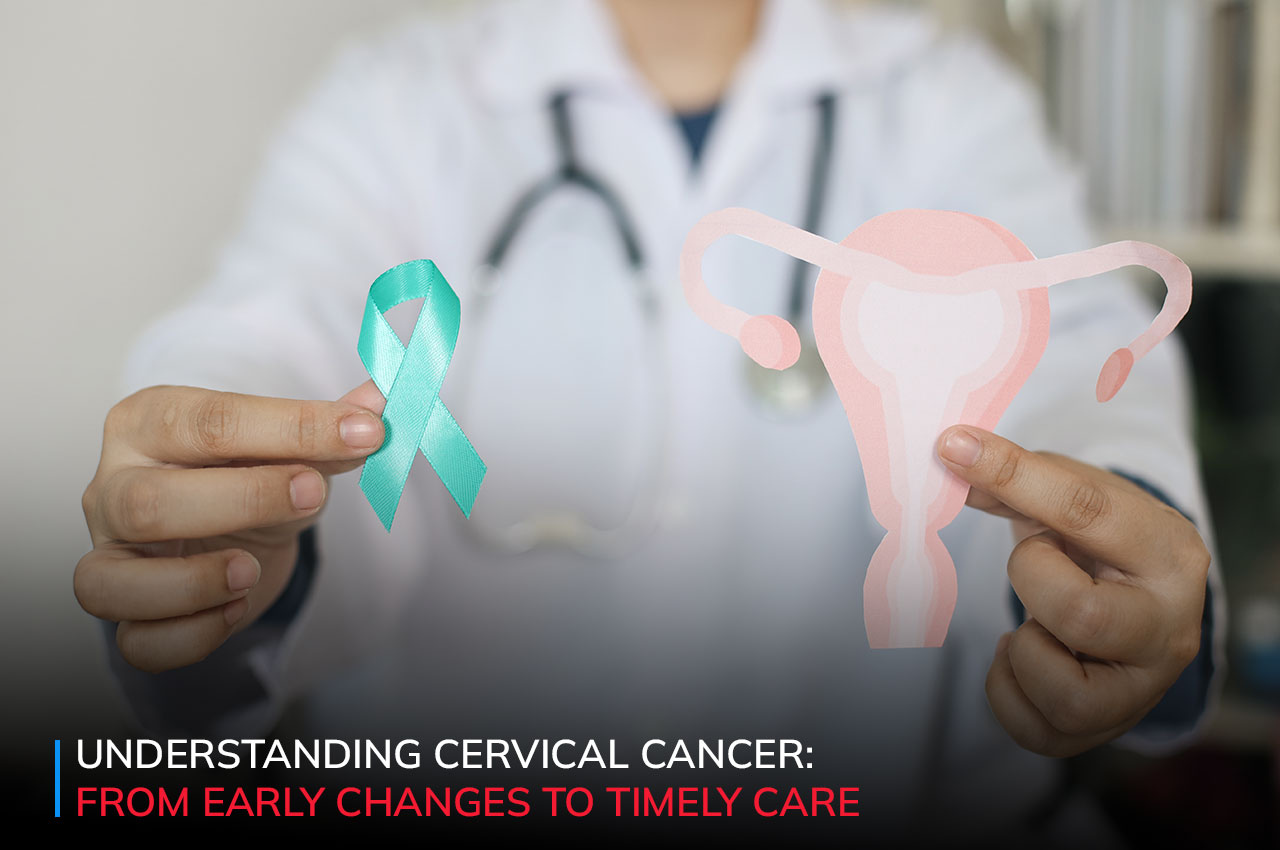
Cervical cancer involves the invasion of cancerous cells into the cervix, the entry-way between the vagina and uterus. It is caused by long-term infections caused by certain HR HPV types (HR HPV). Most HPV types can be spread through sexual activity and will go away on their own after a few months. However, when they continue to exist for several years after an initial infection, they can cause normal cervical cells to develop into cancer cells and form a tumour if they are not diagnosed early.
It usually develops slowly and usually starts with precancerous changes that can be detected before becoming cancerous. Because of the gradual development of this disease, regular screening and early detection of precancerous cells are vitally important in preventing cervical cancer and making it one of the most preventable forms of cancer.
When cervical cancer first develops, there are typically no tangible symptoms of illness because small cancerous or pre-cancerous lesions remain only on the soft outer layers of the cervix, meaning they won’t be felt by nerve terminals or surrounding tissues as they haven’t yet invaded enough space to create discomfort.
As the cancer progresses, some early symptoms may begin to appear, which could include:
Due to the fact that it can be easy to mistake these warning signs with those of minor menstrual irregularities/infections, any abnormal and/or ongoing changes from an individual’s normal activities, one should always get examined by their doctor.
Detecting cancer early is important in saving lives. This has been shown through international health data and years of research into this topic. The benefits of early detection include:
Early detection helps to find abnormal cells that may develop into cervix cancer. It is prevented by treating precancerous cells before they develop into cancer by having routine Pap tests and HPV DNA testing. This can be treated and cured more easily when caught before they have spread. The earlier the cervical cancer is identified, the better chance of curing the cancer as well.
If cervical cancer can be detected in its earliest stages, treatment can often involve a simple, non-invasive procedure. When the disease has progressed to a later stage, more complicated procedures will likely be needed. The treatment choices for late-stage cases are typically more complex than for early-stage cases.
With earlier detection, the costs of treating the cancer may be lower, and the physical demands may be lower for the woman. In addition, early detection typically reduces long-term complications and improves the woman’s quality of life.
All healthcare providers strongly recommend that women 21 years of age and older receive routine Pap testing and HPV DNA testing, and the frequency of screening is based on the individual’s age and risk factors.
Detecting cervical cancer early saves lives. Many studies have shown a positive link between early detection and lower rates of morbidity, mortality and dying from cancer. These are the major advantages of detecting it early:
Screening tests like Pap smears and HPV DNA testing can detect abnormal cells before they develop into cancer. If we treat these cells at this stage, preventing them from developing into cancer altogether.
If we can detect it at an earlier stage, there is a higher chance that we can remove it or treat it before it has a chance to spread to other places. There are much higher chances of the cancer being cured when diagnosed early rather than in later stages.
Because earlier-stage cervical cancers are often treated with very little or no invasive (cutting) procedures, we can treat them using minor cuts and simple processes. On the other hand, advanced-stage cervical cancers are more complex treatments and include surgeries, radiation therapy, chemotherapy, immunotherapy, and all of these treatments are more complicated.
Healthcare providers recommend that women beginning at the age of 21 get routine screenings for it based on age and risk factors.
People searching for a place to receive holistic treatments for their bodies can find reliable cancer treatment options, such as cervical treatment at PBHRC. The goal of the Banerji Protocol™ is to improve patients’ overall quality of life through structured homeopathy while receiving cancer treatment.
At Dr. P Banerji Homeopathic Research Clinic, the cancer treatment plan is developed according to the specific needs of the patient. The focus will be on providing personalised treatment and palliative care where required, and on improving the patient’s overall well-being through the prescription of safe and effective non-invasive remedies. PBHRC has become a trusted source of comprehensive assistance to cancer patients from numerous countries around the world. The philosophy at PBHRC focuses on awareness, early attention to symptoms, and structured treatment planning. The clinic encourages women not to ignore warning signs and to take proactive steps toward health.
Early symptoms include abnormal vaginal bleeding, unusual discharge, pelvic pain, or discomfort during intercourse. Some women may not notice symptoms in early stages.
Yes. Early-stage cervical cancer often shows no clear symptoms. Regular Pap tests and HPV screening are essential for detecting changes before symptoms appear.
Yes. Regular screening, HPV vaccination, and early treatment of abnormal cells significantly reduce the risk of developing cervical cancer.
Treatment options include surgery, radiation therapy, chemotherapy, or a combination approach. Early-stage disease often requires less aggressive treatment.
Yes. When detected early, cervical cancer has high cure rates with timely and appropriate treatment.
Yes. Cervical cancer remains one of the most common cancers among women in India, making awareness and regular screening essential.