
 The Banerji Protocols
 Emergency Kit
 Help
Help Blogs
Blogs
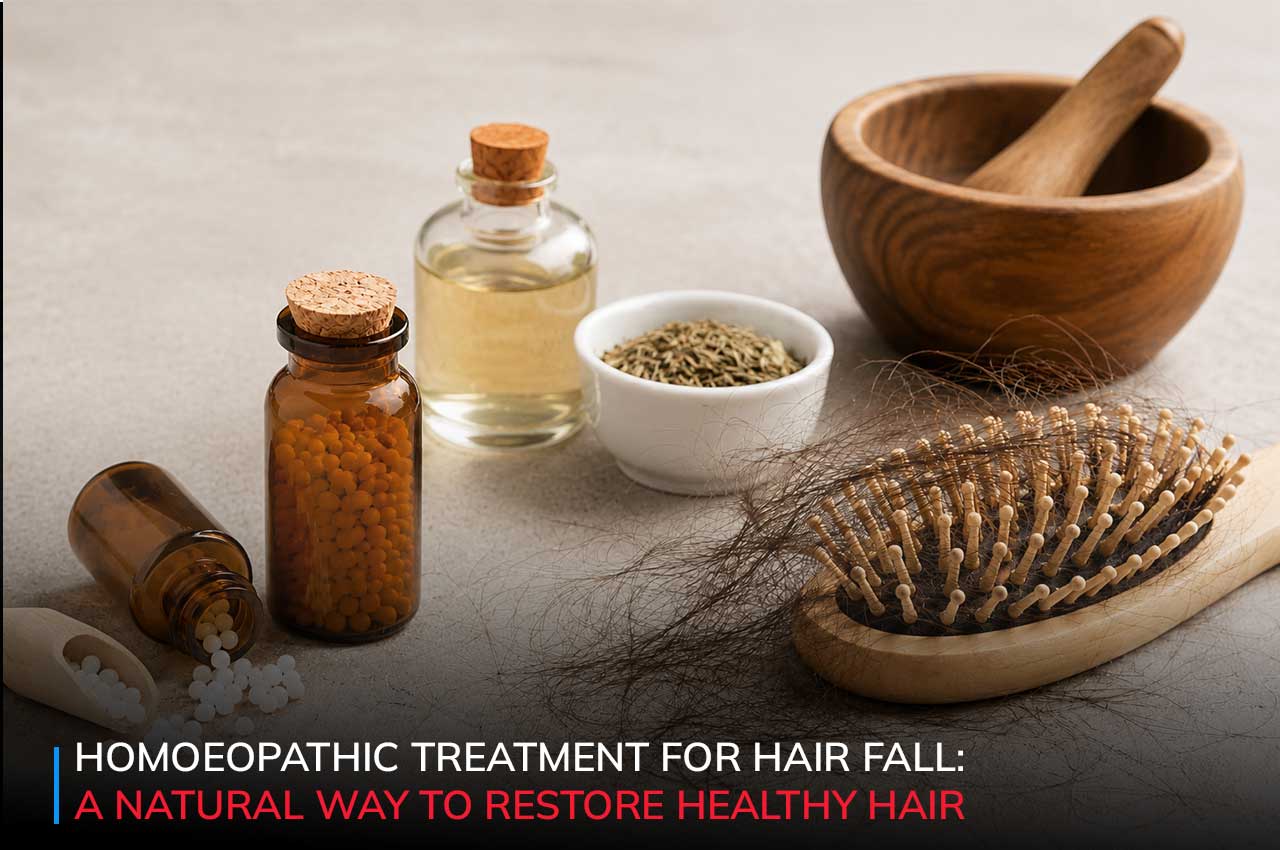
Hair loss is one of the most common problems affecting both men and women. If you notice more hair coming out while brushing, thinning near the hairline, or increased hair on your pillow each morning, ongoing hair loss can affect confidence and emotional well-being. It is normal to lose some hair every day, but continuous or excessive hair fall may occur due to health, hormonal, nutritional, or lifestyle-related issues that require proper attention.
Stress, poor sleep habits, unhealthy eating patterns, pollution, and excessive use of chemical-based hair products are some of the modern lifestyle factors that have further increased hair-related concerns. This is why many people are now seeking homoeopathic treatment as a supportive and holistic way to manage hair fall naturally.
Homoeopathy works by focusing on the possible root causes of the condition rather than addressing symptoms alone. The treatment approach is usually individualised, taking into account the condition of the scalp, stress levels, hormonal balance, nutrition, and overall health.
There are many internal and external factors that can contribute to hair loss. In some individuals, it may develop gradually over time, while others may experience sudden hair fall or noticeable thinning. Understanding the possible causes and recognising early warning signs can help in seeking timely guidance and preventing further hair damage.
Several factors may contribute to excessive hair loss, including:
While mild hair shedding can be common, certain symptoms may indicate the need for professional evaluation:
Many people prefer homoeopathic treatment for hair fall because it focuses on the possible underlying causes of the condition rather than only the visible symptoms. Individuals looking for a gentler and more personalised approach to scalp and hair wellness often opt for homoeopathy.
Rather than focusing only on the external appearance, homoeopathic care often considers factors such as stress levels, hormonal changes, nutritional deficiencies, scalp sensitivity, and lifestyle-related triggers. Treatment plans are usually tailored according to the individual’s symptoms, overall health, and medical history.
Depending on the individual case, homoeopathic care may help support:
It is important to understand that the results of homoeopathic treatment may vary from person to person depending on the underlying cause, severity of hair loss, genetics, and consistency in following the treatment guidance.
Homoeopathy should also be considered a supportive or complementary approach and not a substitute for necessary medical evaluation, especially in cases of sudden or severe hair fall.
Healthy hair growth is influenced by multiple factors such as nutrition, scalp health, hormones, stress levels, and circulation. Homoeopathic treatment may help improve overall scalp wellness and reduce triggers related to excessive hair fall, which, in some cases, may support natural hair growth.
Homoeopathic treatment usually aims to improve the overall condition of the scalp and hair rather than provide instant cosmetic results. Since the hair growth cycle takes time, visible improvement may require patience and consistency. Along with professional care, healthy lifestyle practices can play an important role in maintaining scalp and hair health over the long term.
Along with professional care and homoeopathic treatment, maintaining healthy daily habits can help support stronger and healthier hair.
Although mild hair fall can be common, certain symptoms should not be ignored.
Consult a healthcare professional if you experience:
A proper medical evaluation can help identify nutritional deficiencies, hormonal disorders, thyroid imbalance, or scalp conditions that may contribute to excessive hair fall.
Managing hair fall requires more than cosmetic solutions alone. Long-term hair wellness is often about understanding and addressing the underlying causes rather than focusing only on visible symptoms.
At Dr. Prasanta Banerji Homeopathic Research Clinic, treatment approaches are individualised according to the condition, symptoms, lifestyle factors, and scalp concerns of each patient. The clinic is committed to providing personalised homoeopathic treatment for hair fall while supporting healthier scalp conditions and stronger hair roots.
If you are experiencing ongoing or unusual hair fall, the specialists at PBHRC can help guide you through personalised assessment and supportive treatment approaches tailored to your specific hair and scalp concerns.
Answer: Yes, deficiencies in iron, Vitamin D, zinc, biotin and protein may contribute to excessive hair fall and weak hair roots.
Answer: Yes, emotional stress, poor sleep, and physical illness may disturb the natural hair growth cycle and trigger temporary hair fall.
Answer: In some individuals, uncontrolled diabetes may affect circulation and scalp health, which can contribute to thinning hair and increased hair fall.
Answer: Homeopathy treatment may help support scalp wellness by addressing factors such as stress, dandruff, lifestyle imbalance, and nutritional concerns.
Answer: Homeopathy treatment is generally considered a complementary and individualized approach. Consultation with a qualified practitioner is recommended for proper evaluation and guidance.