
 The Banerji Protocols
 Emergency Kit
 Help
Help Blogs
Blogs
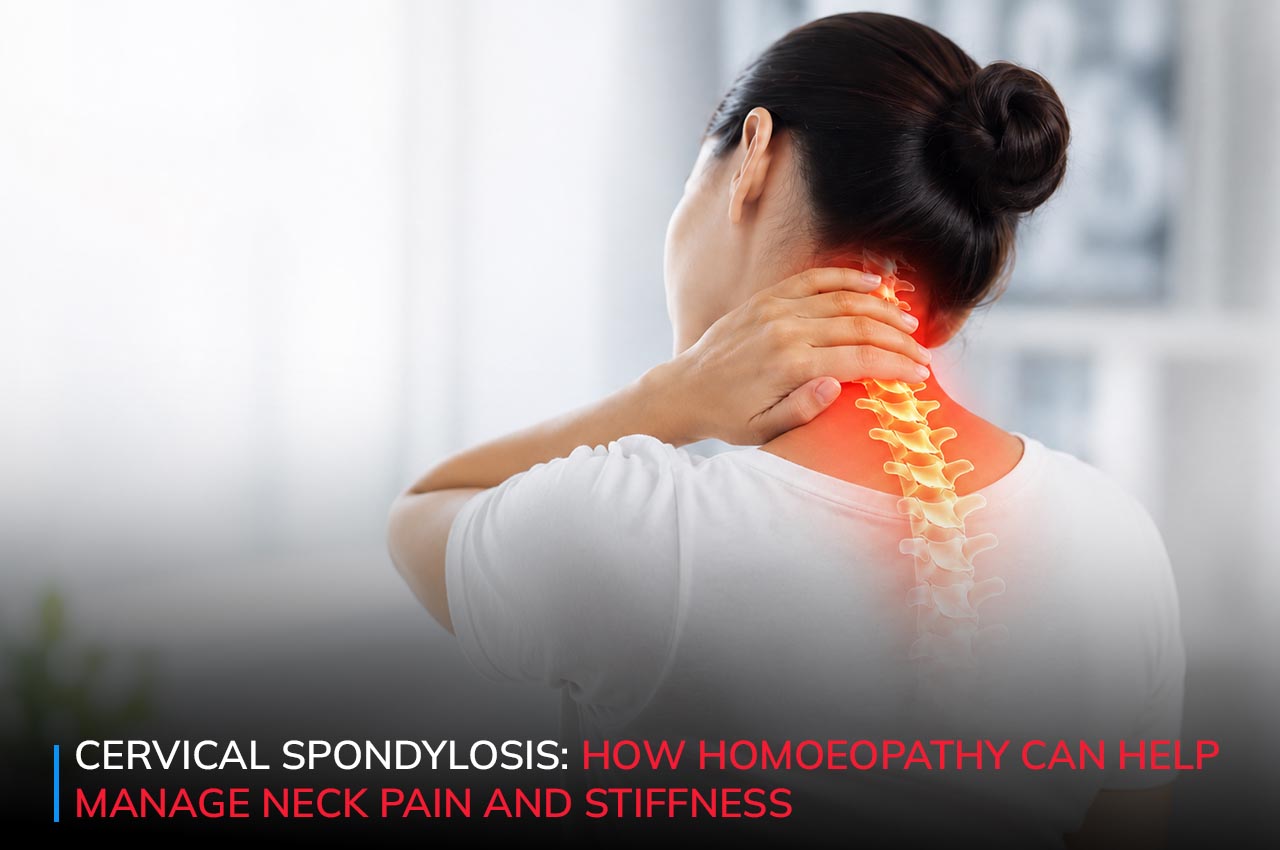
Neck pain has become an increasingly common complaint across all age groups in today’s digital world. Prolonged laptop use, extended screen time, and frequent smartphone use have become part of everyday life. While occasional discomfort may not be a cause for concern, persistent neck pain, stiffness, or restricted movement may indicate cervical spondylosis, a degenerative condition affecting the cervical spine.
Cervical spondylosis develops due to age-related wear and tear of the discs and joints in the neck. Although it is more common among older adults, it is increasingly affecting younger individuals due to poor posture, prolonged sitting, repetitive neck movements, and desk-based occupations. If left unmanaged, the condition can lead to chronic neck pain, stiffness, headaches, and reduced mobility.
While conventional treatment often focuses on relieving symptoms, many patients also explore homoeopathy treatment as part of a holistic and individualised approach. At PBHRC (Dr. P Banerji Homoeopathy Research Clinic), treatment is tailored to each patient after carefully evaluating their symptoms, medical history, lifestyle, and overall health.
The symptoms of cervical spondylosis usually develop gradually and are often overlooked in the early stages. Many people initially attribute neck pain to fatigue, poor posture, or an uncomfortable sleeping position, which can delay proper diagnosis and treatment.
Neck pain is often one of the earliest symptoms and may worsen after prolonged working hours, driving, or extended use of electronic devices. Common early symptoms of cervical spondylosis include:
In more advanced cases, pressure on the spinal nerves may result in reduced grip strength, balance problems, or difficulty performing everyday activities. Recognising these symptoms early allows timely intervention that may help manage neck pain before it progresses.
Every individual experiences cervical spondylosis differently. The severity of neck pain, stiffness, and associated symptoms can vary considerably from one patient to another. This is why homoeopathic treatment follows an individualised approach rather than using the same medicines for every patient.
At PBHRC (Dr. P Banerji Homoeopathy Research Clinic), physicians evaluate each patient’s symptoms, medical history, lifestyle, and overall health before developing an individualised treatment plan. The objective is not only to help manage neck pain and stiffness but also to support overall well-being while reducing the recurrence of symptoms.
With a personalised treatment approach, homoeopathic treatment may help support the management of the common symptoms associated with cervical spondylosis, while taking into account each patient’s individual health profile, symptom pattern, and overall well-being.
In many cases, long-term management of cervical spondylosis is complemented by posture correction, ergonomic workplace practices, stretching exercises, and regular physical activity. Together, these measures help reduce stress on the cervical spine while supporting improvements in neck pain and mobility.
The duration of homoeopathy treatment varies from one patient to another depending on the severity of cervical spondylosis, the intensity of symptoms, and the individual’s overall health.
Patients who seek treatment during the early stages often respond more quickly than those who have experienced chronic neck pain and stiffness for many years. Recovery also depends on factors such as age, posture, lifestyle, general health, and adherence to the prescribed treatment plan.
Several factors influence the duration of homoeopathic treatment, including:
Since homoeopathy treatment aims to achieve gradual and sustained improvement, patients are encouraged to remain consistent with treatment while following the lifestyle recommendations provided by their physician.
Seek medical advice if you experience one or more of the following symptoms:
At PBHRC (Dr. P Banerji Homoeopathy Research Clinic), homoeopathy treatment focuses on providing individualised care to help patients manage cervical spondylosis, reduce recurring neck pain, relieve stiffness, and support long-term spinal health.
When combined with good posture, regular exercise, and ergonomic lifestyle habits, homoeopathic treatment can form an important part of a comprehensive approach to managing cervical spondylosis and improving overall quality of life.
Answer: Gentle stretching and strengthening exercises can improve flexibility and support neck health.
Answer: Homoeopathy may help manage chronic symptoms through an individualised treatment approach.
Answer: Healthy posture, regular exercise, and ergonomic habits can help lower the risk.
Answer: Yes. Poor workstation ergonomics and prolonged laptop use without proper support can place continuous strain on the neck.
Answer: Yes. Sitting incorrectly for long periods can place excessive stress on the cervical spine and contribute to discomfort over time.
Answer: PBHRC (Dr. P Banerji Homoeopathy Research Clinic) offers personalised care tailored to each patient’s condition.