
 The Banerji Protocols
 Emergency Kit
 Help
Help Blogs
Blogs
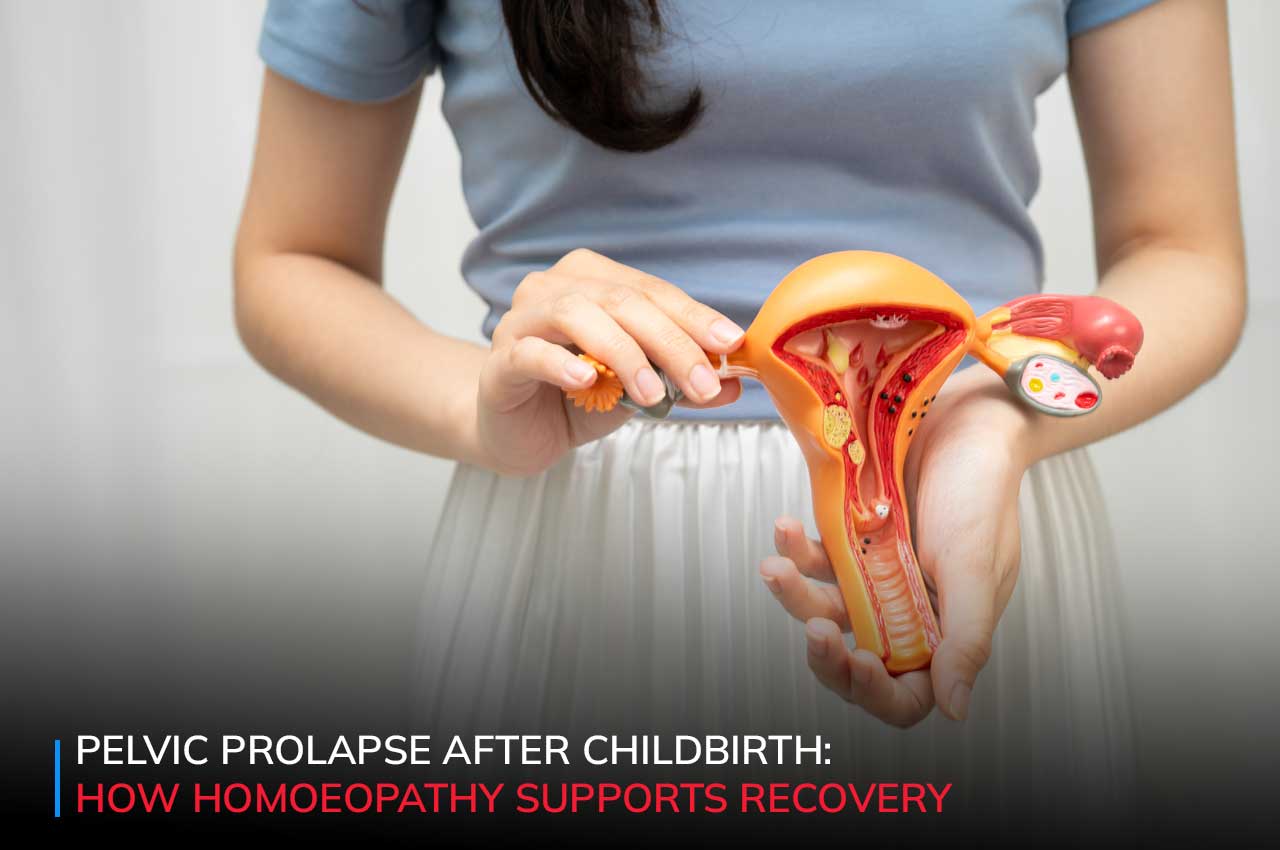
Pelvic Prolapse is a common gynaecological condition that occurs when the muscles and tissues supporting the pelvic organs weaken. These muscles play an important role in holding organs like the bladder, uterus and rectum in their proper position.
During pregnancy and childbirth, the pelvic floor experiences significant pressure and stretching. When these muscles become weak or saggy, one or more pelvic organs may shift from their normal position and push into the vaginal canal. This condition is medically known as Pelvic Organ Prolapse (POP).
Studies suggest that nearly 10% of all assigned females at birth (AFAB) may experience some form of pelvic prolapse during their lifetime. The condition can vary in severity and may affect daily comfort and quality of life if not addressed early.
Types of pelvic prolapse include:
Childbirth is one of the most common reasons for the weakening of pelvic floor muscles. Several factors during pregnancy and delivery can increase the risk of prolapse.
Some common causes of pelvic organ prolapse after delivery include:
The symptoms can vary depending on the type and severity of the condition. Some women may notice mild discomfort, while others may experience more noticeable symptoms.
Common symptoms include:
Symptoms often become more noticeable towards the end of the day or after physical exertion.
Early diagnosis and proper management play an important role in controlling the condition and preventing it from worsening.
Dr. P Banerji’s Homeopathy Clinic near Elgin Road specialises in treating Pelvic Prolapse using standardised, non-invasive homoeopathic treatment methods. The approach focuses on supporting the body’s natural healing ability while addressing the root causes of pelvic muscle weakness.
Treatment at PBHRC involves :
From diagnosis to long-term prolapse management, the doctors at PBHRC near Elgin Road work closely with patients to support recovery and improve overall pelvic health.
Answer: Pelvic prolapse occurs when weakened muscles allow organs like the bladder, uterus, or rectum to shift from their normal position, sometimes pushing into the vaginal canal, causing discomfort.
Answer: Childbirth, especially vaginal delivery, prolonged labour, delivering a large baby, hormonal changes, or already weak pelvic muscles, can weaken support structures, leading to pelvic organ prolapse after delivery.
Answer: Symptoms include heaviness in the pelvic area, lower back pain, vaginal bulge, urinary or bowel issues, and discomfort during standing, walking, or other physical activities.
Answer: PBHRC offers standardised, non-invasive homoeopathy treatment for pelvic prolapse. From diagnosis to symptom management, their doctors provide personalised care to support recovery and strengthen health naturally.
Answer: PBHRC near Elgin Road combines experienced doctors, modern homoeopathy methods, and comprehensive care. Patients receive guidance on prolapse management, risk factor reduction, and long-term pelvic health support for safe recovery.
Answer: Preventive measures include pelvic floor exercises, maintaining a healthy weight, avoiding heavy lifting, proper postpartum care, and consulting doctors early if symptoms appear to prevent worsening of prolapse.